Advancing Solar-Led
Development Across
the Global South
An international non-profit think tank operating at the intersection of policy, innovation, finance, and capacity-building, advancing the solar energy transition and energy sovereignty across emerging and developing economies.


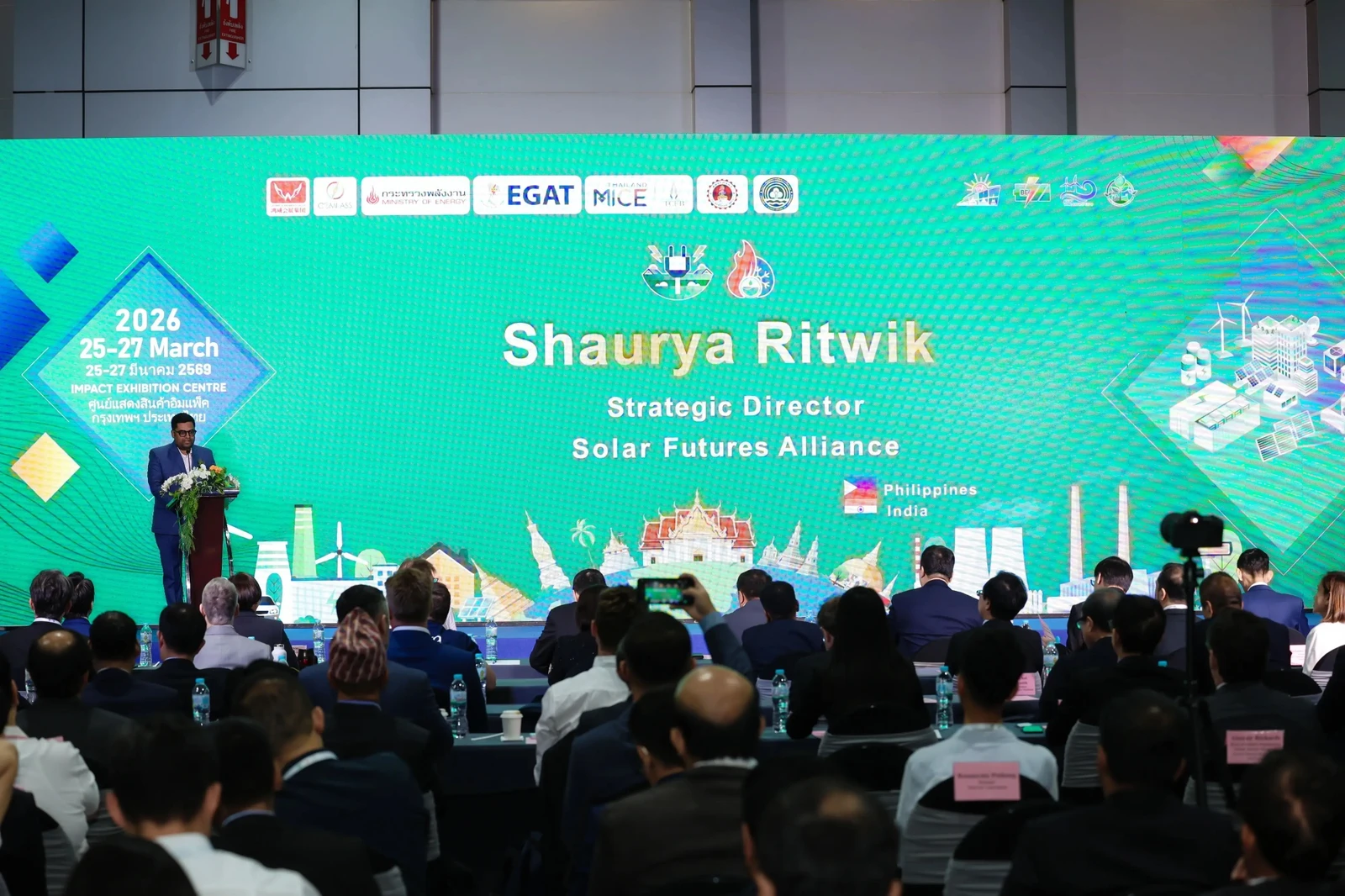
SFA at the Global Agenda
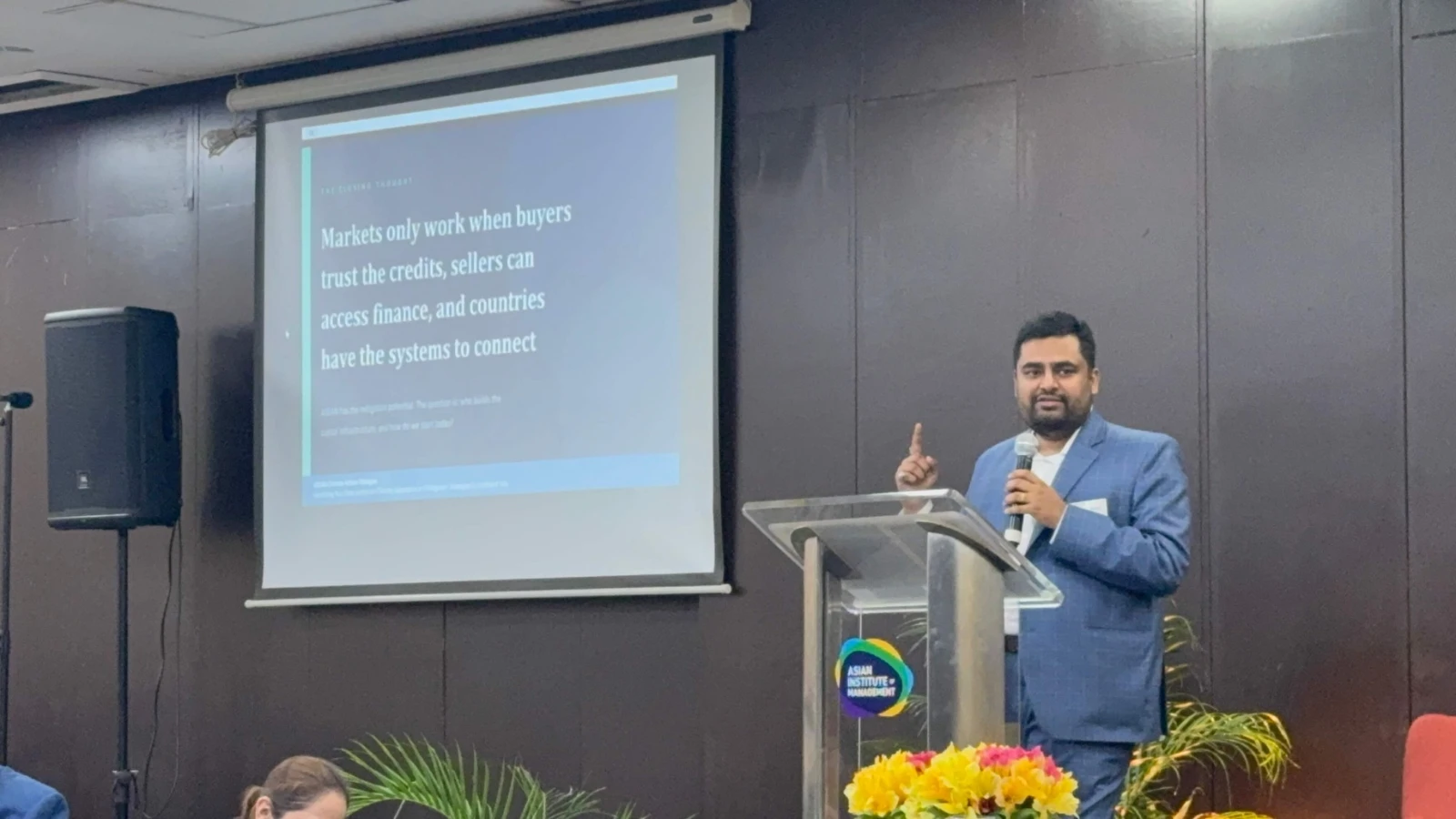

Advisory Board Members Drawn from Leading Institutions Across the World
The Solar Futures Alliance Advisory Board brings together senior practitioners who have held, or currently hold, leadership positions at the world's foremost government bodies, research institutions, multilateral organisations, and climate finance platforms. Their expertise shapes how SFA navigates the policy, finance, and institutional dimensions of the Global South's energy transition.
How SFA Builds the Infrastructure
for Solar-Led Energy Sovereignty
The transition does not stall for lack of solar technology. It stalls because the enabling systems, institutional frameworks, and capital architecture are not yet in place. SFA works on precisely that infrastructure, across six interlocking dimensions.
People, Skills & Workforce Development
Strengthening skills, institutional capacity, and workforce readiness to meet rapidly growing demand across solar deployment, operations, and system planning.
Finance & Investment Enablement
Advancing financial frameworks and investment approaches that unlock affordable, long-term capital for scalable and bankable solar projects across the Global South.
Resilient & Responsible Supply Chains
Supporting diversified, transparent, and resilient supply chains capable of meeting rising global demand for solar technologies with accountability and traceability.
Grid Integration & System Readiness
Addressing system planning, flexibility, and integration challenges to ensure power grids can accommodate high shares of solar energy at speed and at scale.
Policy, Governance & Market Design
Engaging in policy and regulatory frameworks that create stable, enabling conditions for sustained solar growth across diverse national and regional contexts.
Regional Cooperation & Cross-Border Deployment
Promoting regional collaboration and cross-border coordination to accelerate solar deployment across emerging and developing markets in Africa, Asia, and Latin America.
A Framework for Collective Action on the Solar Transition
The SolarFutures Accord is the structured engagement and collaboration framework of Solar Futures Alliance. It brings together organisations committed to advancing solar-led energy transition, climate resilience, and sustainable development across the Global South, enabling dialogue, partnership, and coordinated action across regions and sectors.
Across Africa, Asia, Latin America, and the Middle East, engagement through the Accord reflects a growing readiness to move from ambition to implementation. Organisations aligned with this mission are invited to engage.
Engage Through the Accord →Structured engagement with policymakers at global, regional, and national levels to advance enabling frameworks for solar deployment.
Cross-regional sharing of technical expertise, market intelligence, and best practices across the solar value chain.
Structuring blended finance mechanisms and mobilising long-term capital for bankable solar projects across the Global South.
Joint research initiatives connecting institutions, universities, and think tanks to evidence-based solar transition priorities.
Equipping governments, institutions, and communities with the knowledge and leadership capability to drive the transition.
Curated forums and invitation-only roundtables convening decision-makers to translate dialogue into coordinated action.