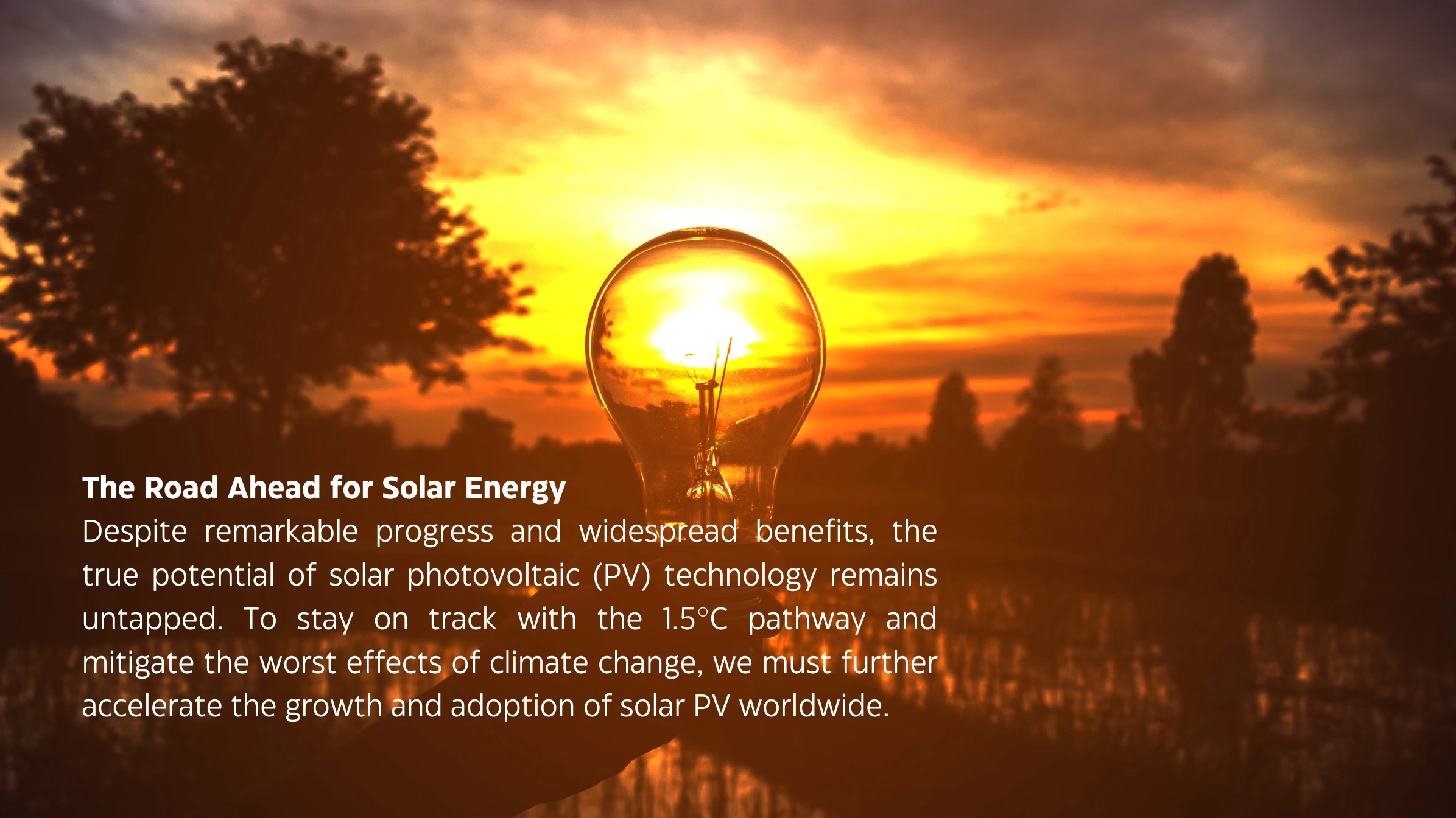

Solar Power: The Cornerstone of a Sustainable Future
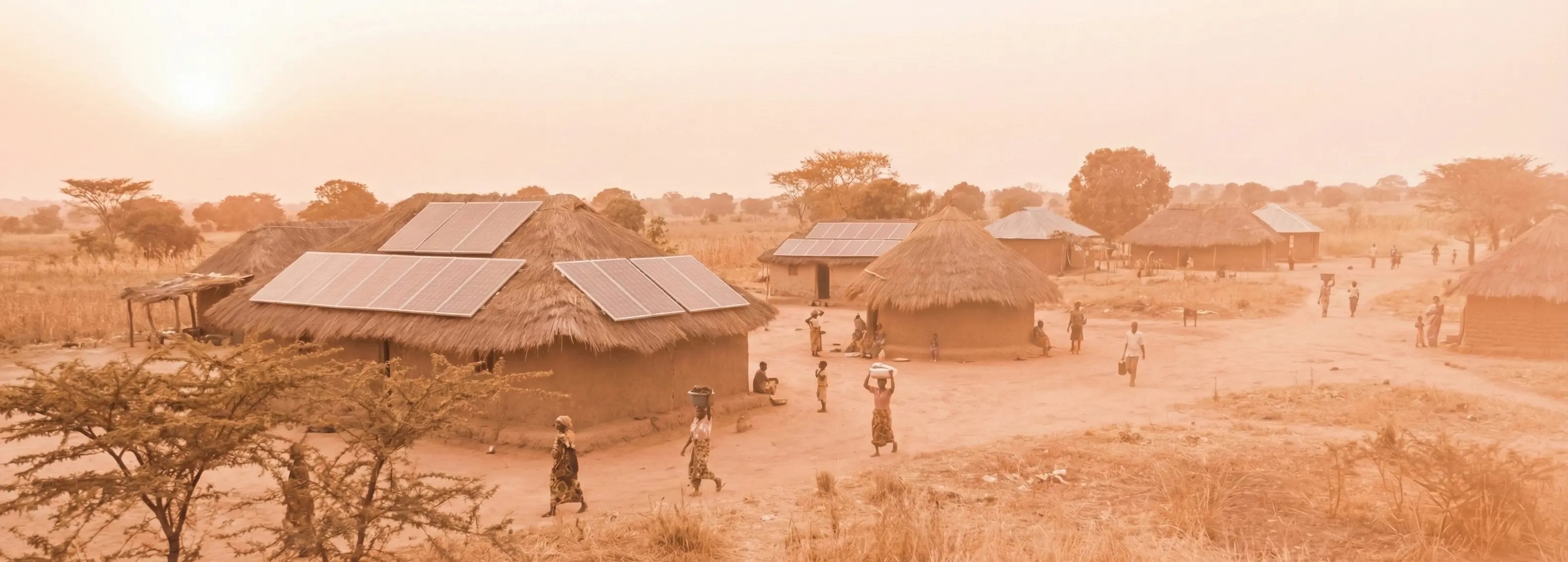
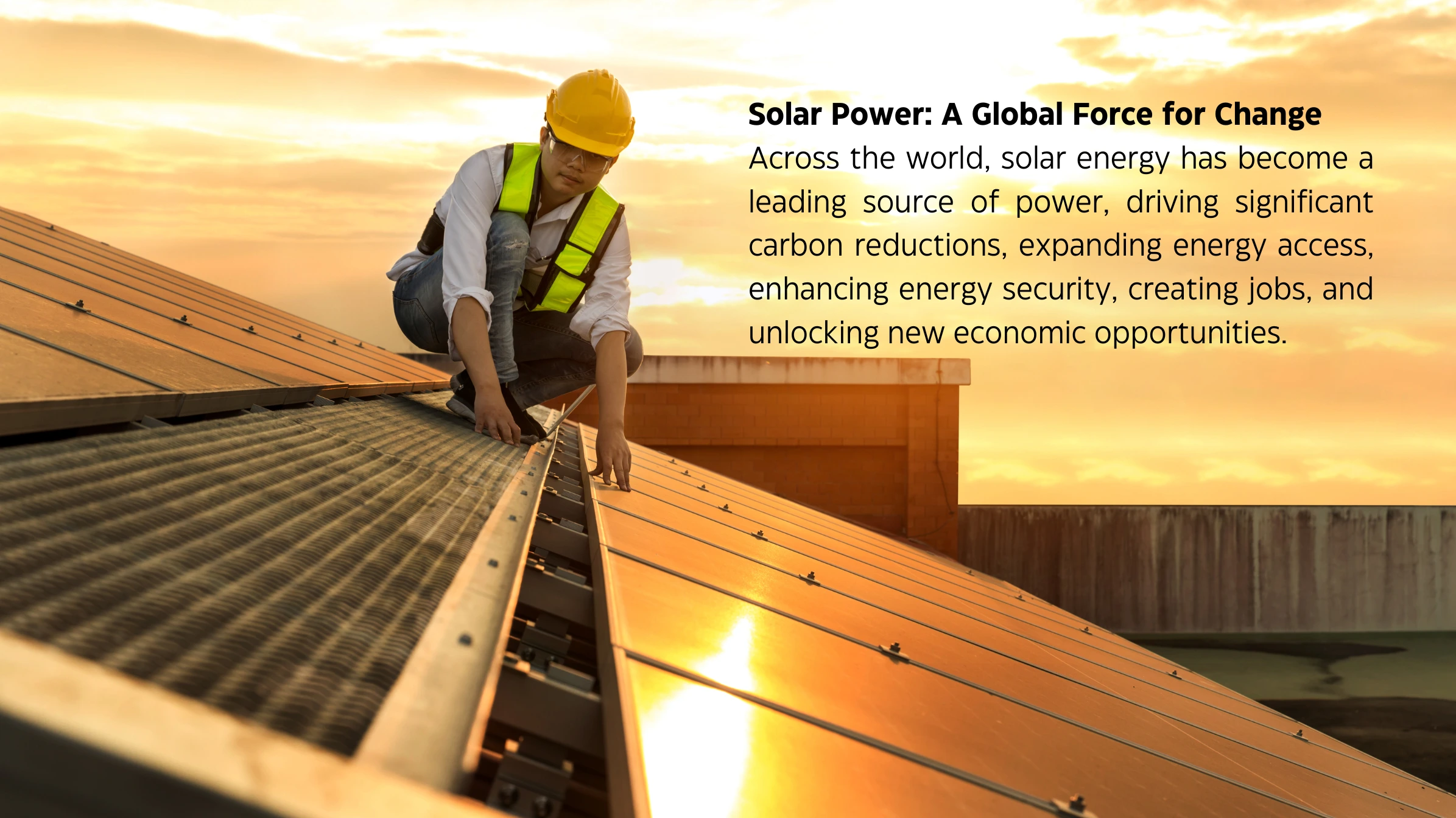
Solar energy has become a cornerstone of global progress, powering meaningful change in countries worldwide. It plays a vital role in reducing carbon emissions, expanding energy access, enhancing energy security, creating jobs, and unlocking new economic opportunities, paving the way for a fairer and more sustainable world.
Key Solar Facts
As of 2024
of solar is installed across the world
Around
is being invested in solar every day
Nearly
people work in the solar industry globally
By 2030
of solar capacity could be installed

Solar Power: A Cornerstone of the Energy Transition
- Central to Global Climate Targets: Solar energy is critical to achieving the goal of tripling global renewable capacity by 2030 and maintaining alignment with the 1.5°C pathway.
- Primary Driver of Capacity Expansion: Alongside wind, solar PV is expected to deliver the majority of new power-generation capacity this decade due to its scalability and cost competitiveness.
- Foundational Role in Future Energy Systems: In high-renewable scenarios, solar is projected to supply a substantial share of global electricity, reshaping energy system design and operation.
- Enabling Resilient and Sustainable Development: Solar energy supports energy security, economic opportunity, and climate resilience, particularly in emerging and developing economies.
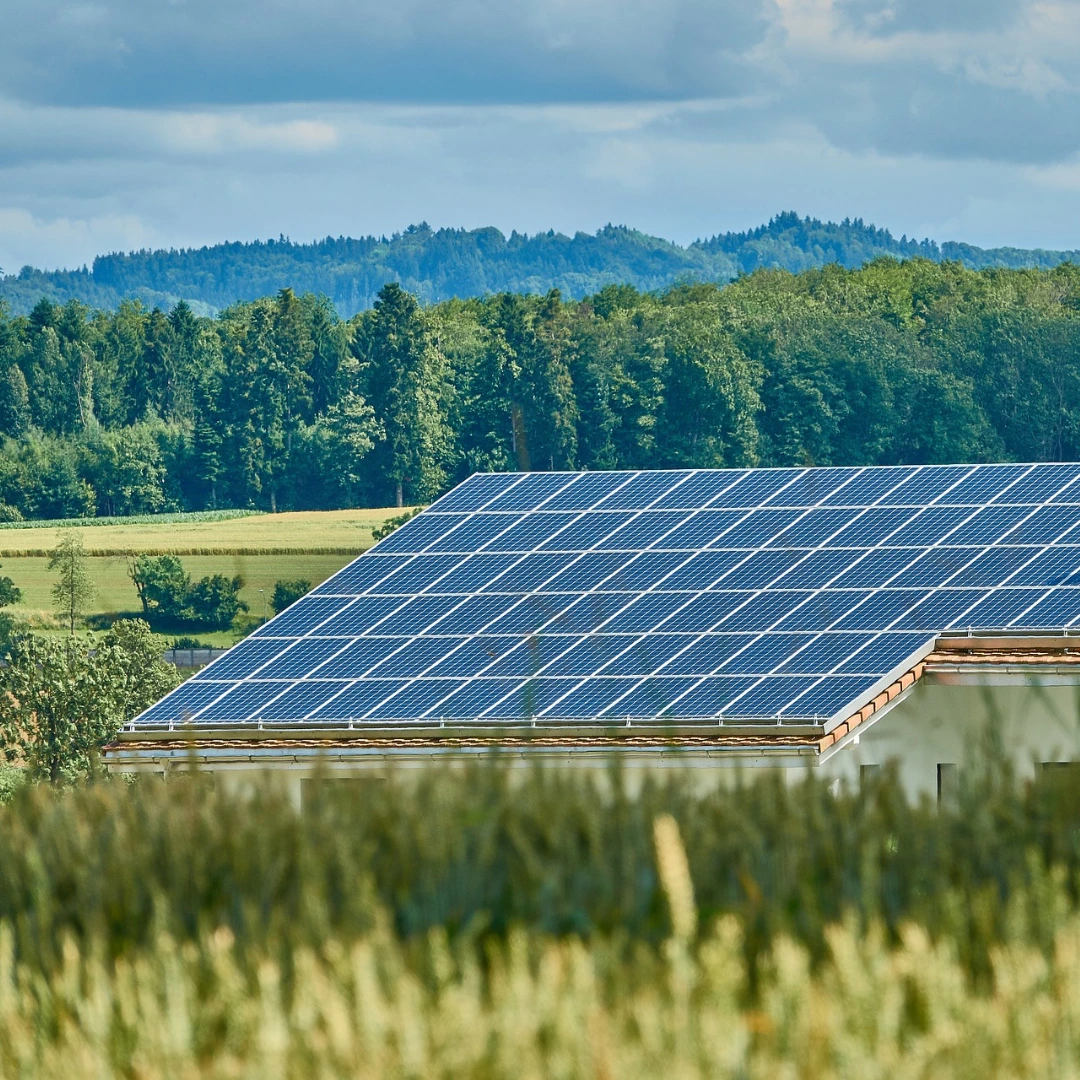
Solar Growth: Scale, Speed, and Systemic Impact
- Sustained Global Expansion: Solar energy has recorded consistently high growth rates for more than two decades, making it the fastest-expanding energy technology in history.
- Leading Source of New Power Capacity: Solar PV now adds more new electricity-generation capacity annually than any other power technology.
- Outpacing Fossil Fuel Expansion: Solar deployment is growing faster than fossil-based power, reinforcing its central role in the global clean energy transition.
- Foundation of Future Energy Systems: As deployment accelerates and costs continue to decline, solar is positioned to remain a primary pillar of resilient, low-carbon energy systems worldwide.

Solar Energy: Affordable, Independent, and Resilient
- Cost Leadership: Solar power is now the most affordable source of electricity globally, following steep cost declines driven by scale and innovation.
- Technology-Driven Cost Reduction: Advances in technology, manufacturing efficiency, and global supply chains have enabled sustained reductions in solar PV costs.
- Strengthening Energy Independence: Distributed solar systems allow households, businesses, and communities to generate power locally, reducing exposure to price volatility and supply disruptions.
- Delivering Savings and Energy Security: Supportive policy frameworks have translated solar deployment into consumer savings while strengthening national and local energy security.
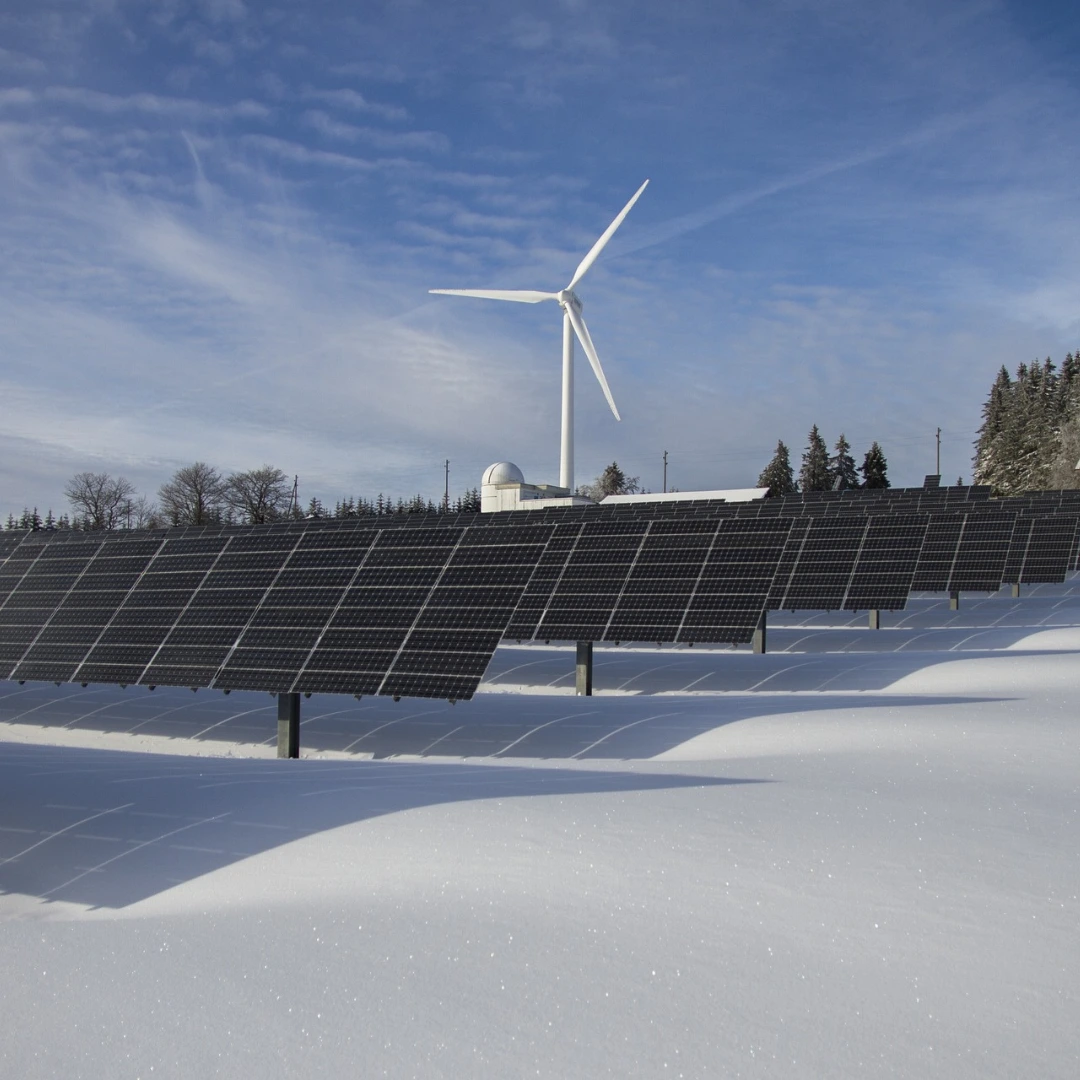
Solar Energy: A Reliable Solution for Universal Access
- Addressing Energy Inequality: Hundreds of millions of people still lack access to electricity, constraining development, opportunity, and resilience.
- Decentralized and Adaptable Solutions: Solar energy supports both off-grid and grid-connected systems, delivering reliable power to underserved communities and remote regions.
- Cost-Effective and Resilient Deployment: Solar offers a rapid and sustainable alternative to fossil fuels, reducing costs while strengthening energy system resilience.
- Enabling Sustainable Development: By expanding access to clean and reliable energy, solar power supports livelihoods, public services, and inclusive long-term growth.
How SFA Accelerates Solar Deployment Across the Global South
Building the Enabling Systems for Solar-Led Growth
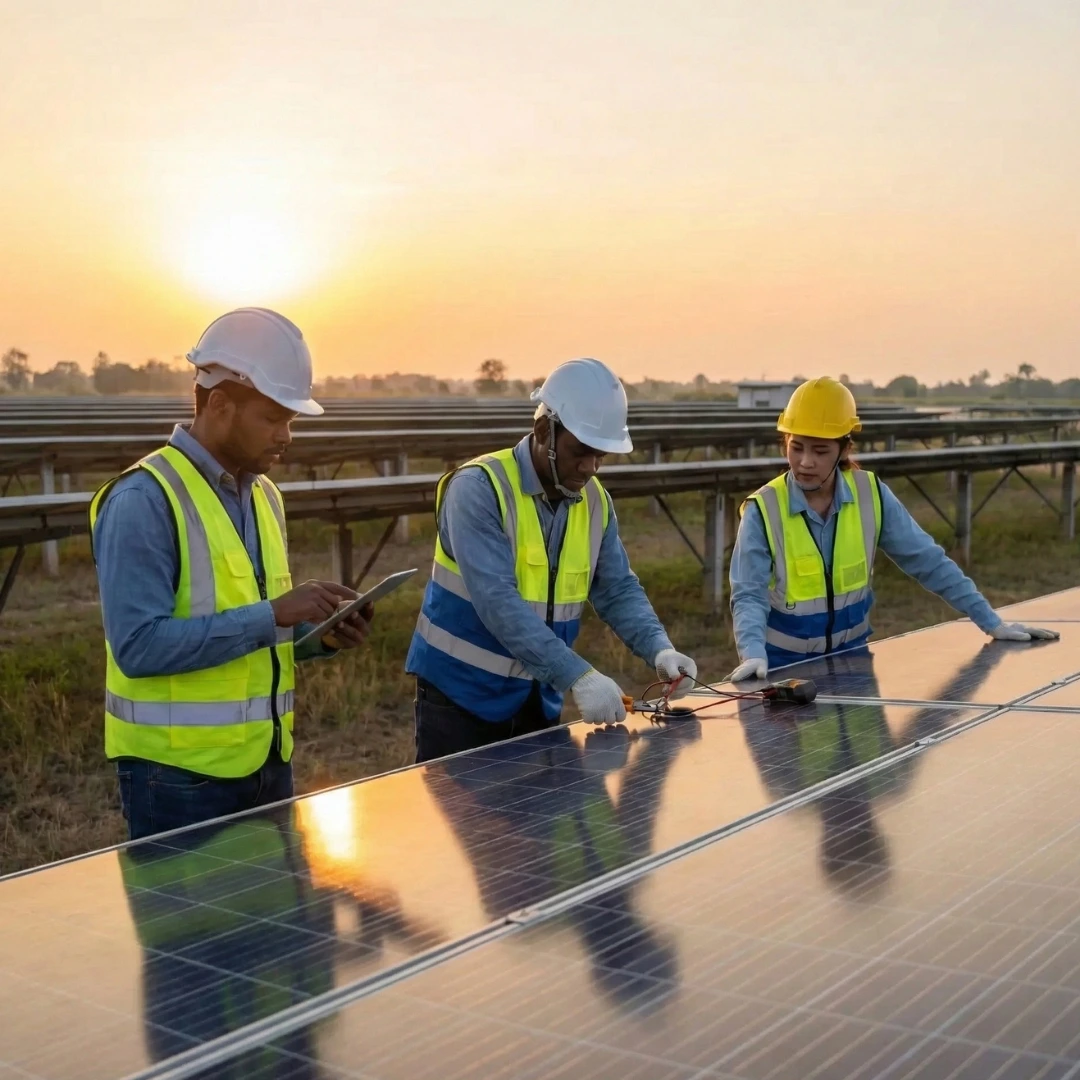
People, Skills, and Workforce Development
Strengthening skills, institutional capacity, and workforce readiness to meet rapidly growing demand across solar deployment, operations, and system planning.

Finance and Investment Enablement
Advancing financial frameworks and investment approaches that unlock affordable, long-term capital for scalable and bankable solar projects.

Resilient and Responsible Supply Chains
Supporting diversified, transparent, and resilient supply chains capable of meeting rising global demand for solar technologies.
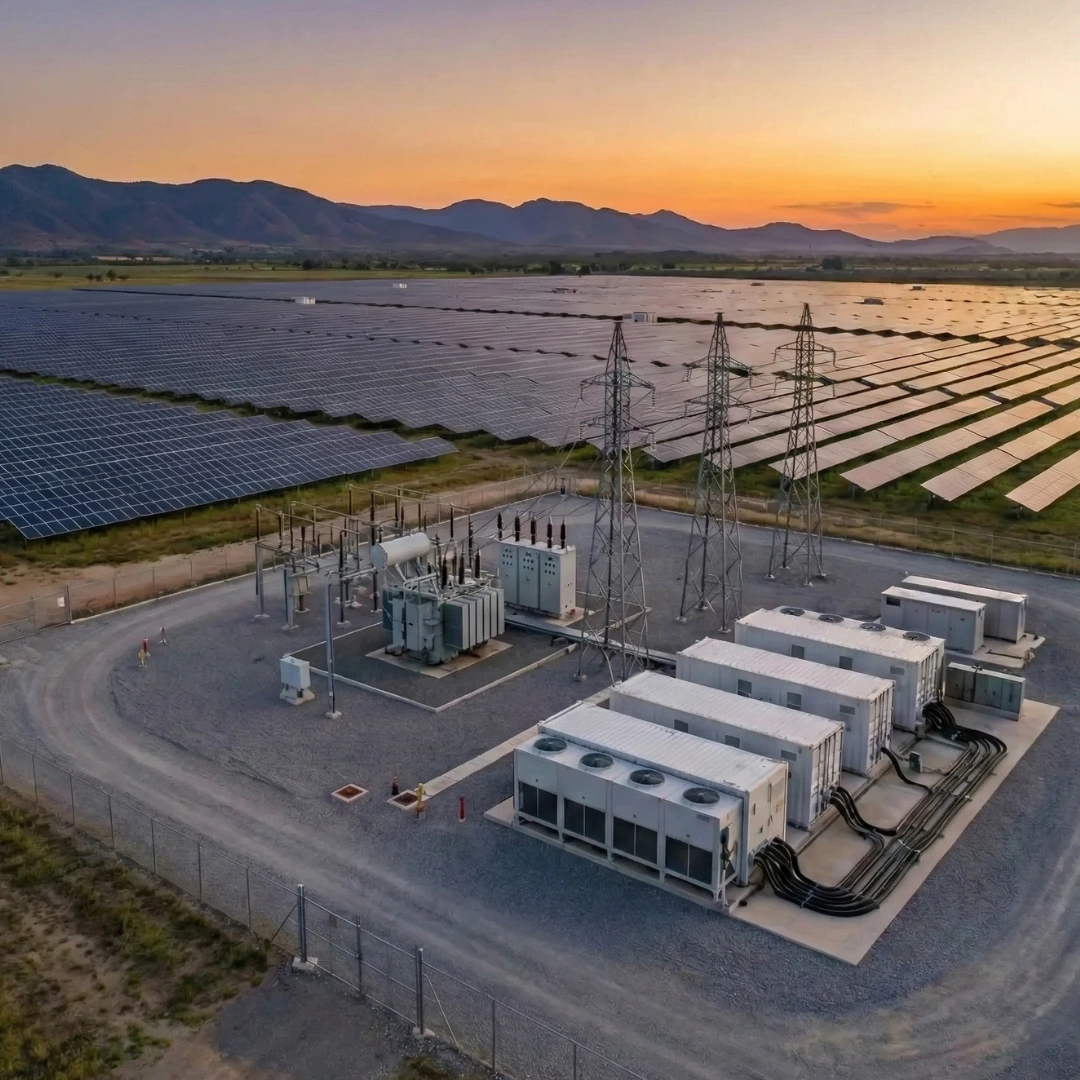
Grid Integration and System Readiness
Addressing system planning, flexibility, and integration challenges to ensure grids can accommodate solar energy at scale.

Policy, Governance, and Market Design
Engaging in policy and regulatory frameworks that create stable, enabling conditions for sustained solar growth.

Regional Cooperation and Cross-Border Deployment
Promoting regional collaboration and cross-border coordination to accelerate solar deployment across emerging and developing markets.
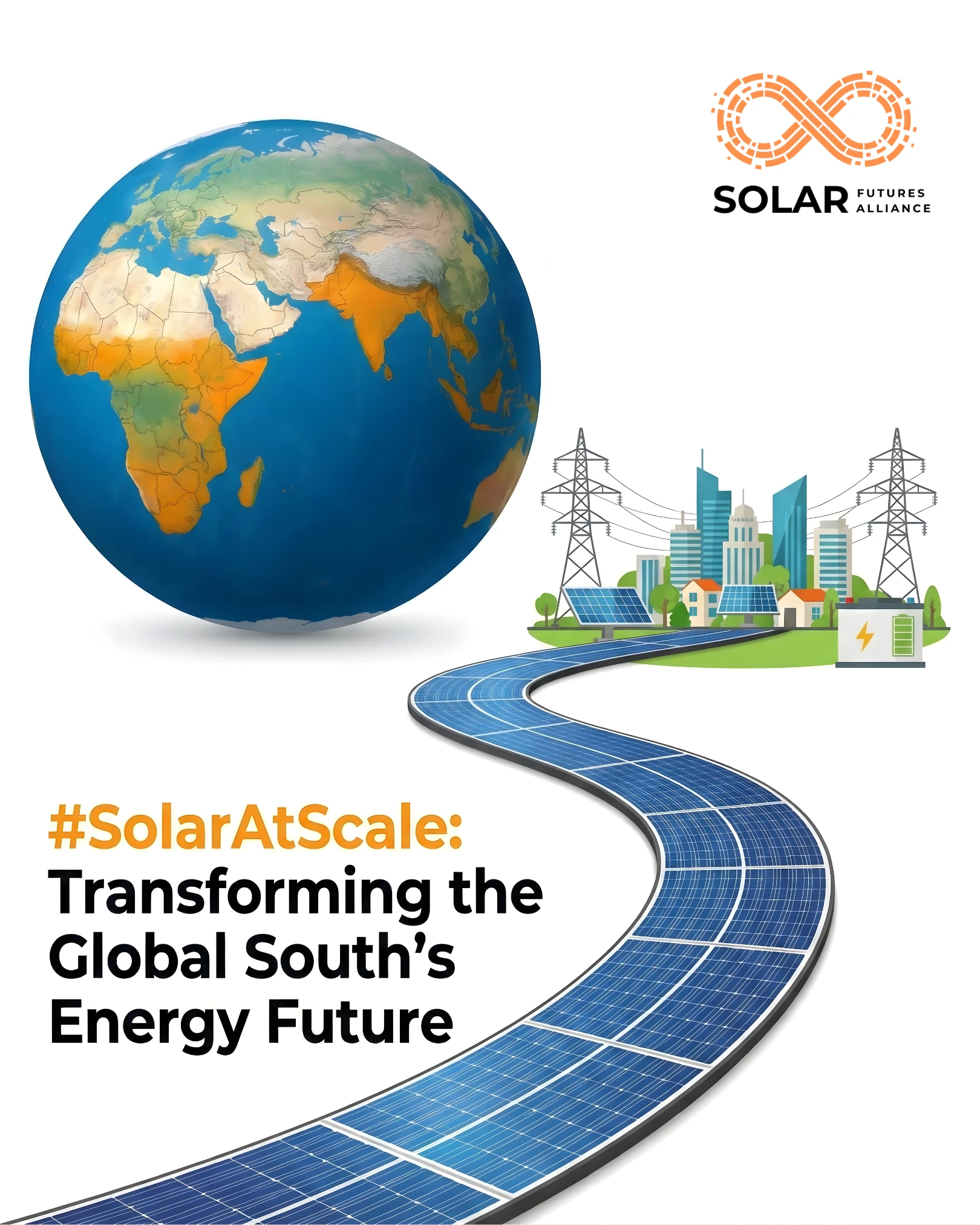
#SolarAtScale
Solar energy has moved decisively from the margins to the mainstream of the global energy system. With costs falling sharply and deployment accelerating across regions, solar has demonstrated its capacity to deliver clean, reliable, and affordable power at unprecedented speed. Yet the most consequential phase of the solar transition now lies ahead.
To remain aligned with global climate goals and development priorities, solar deployment must shift from incremental growth to system-wide transformation, particularly across the Global South, where future energy demand, urbanisation, and industrial growth will be most pronounced. Scaling solar at this level is not only a matter of installed capacity; it requires integrated progress across finance, grids, supply chains, skills, and policy frameworks.
Achieving solar at scale demands capital that is accessible, affordable, and aligned with long-term development outcomes. It requires power systems capable of integrating high shares of variable renewable energy through smart grids, storage, and system flexibility. It depends on resilient and responsible supply chains, faster and more predictable permitting processes, and a skilled workforce equipped to deliver and maintain solar infrastructure across diverse contexts.